Enhance Your Brand with the Elegant Rolih Font
As a small business owner, I know that every detail matters when it comes to building a strong brand identity. From your logo to your packaging, each element needs to reflect your brand's personality and values. That’s where Rolih, an elegant and stylish display font, can make a real difference. With its refined look and versatile appeal, Rolih can help you create consistent, professional, and memorable brand materials that stand out in today’s competitive market.
The Style and Personality of Rolih
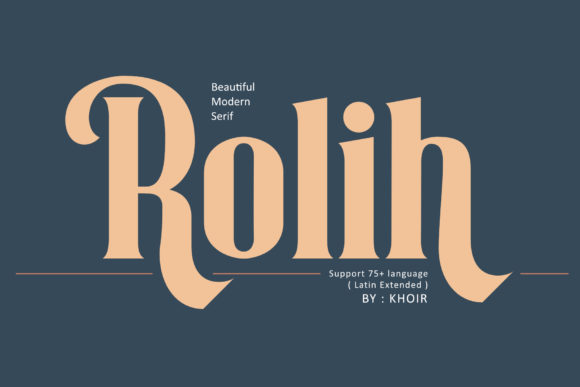
Rolih is more than just a font—it’s a statement. Designed with a balance of sophistication and approachability, this display font has a clean, modern feel with subtle flourishes that add character without overwhelming the eye. Its smooth curves and well-spaced letters give it a polished appearance, making it ideal for businesses that want to convey professionalism while maintaining a touch of creativity.
Whether you're designing a logo, creating product labels, or crafting social media content, Rolih brings a sense of elegance that aligns with brands that value quality and attention to detail. It works especially well for industries like fashion, beauty, food, and lifestyle, where visual appeal plays a crucial role in customer engagement.
Real-World Applications of Rolih in Business Materials
Let’s explore how Rolih can be used across different aspects of your business:
- Logos and Branding: A well-designed logo is the cornerstone of your brand identity. Rolih’s clean lines and balanced structure make it perfect for logos that need to be both unique and easy to recognize.
- Product Labels and Packaging: If you sell handmade candles, artisanal foods, or skincare products, using Rolih on your product labels adds a touch of luxury and refinement. Its readability ensures that even small text remains legible on packaging.
- Social Media Graphics: Whether you're posting on Instagram, Pinterest, or Facebook, Rolih can elevate your visuals. Use it for headlines, captions, or call-to-action buttons to create a cohesive and visually appealing feed.
- Website Banners and Headers: A website’s first impression matters. Using Rolih in headers or banners can instantly set the tone for your brand, making your site feel more professional and trustworthy.
- Menus and Flyers: For café owners or restaurant managers, Rolih can bring a fresh look to menus and promotional flyers. Its elegant style complements food photography and creates a welcoming atmosphere for customers.
Why Consistency Matters in Branding
Consistency is key when building brand recognition. The right font can help maintain a unified look across all your marketing materials. By using Rolih consistently in your logo, packaging, social media posts, and website design, you reinforce your brand’s image in the minds of your customers.
This consistency builds trust and makes your brand more memorable. When people see the same font across different platforms, they begin to associate it with your business, which strengthens brand loyalty over time.
When to Use Rolih as a Display Font
Rolih shines best when used as a display font—meaning it should be reserved for headings, titles, and other prominent text elements rather than large blocks of body copy. This ensures that the font’s unique characteristics are highlighted without causing readability issues.
For example, use Rolih as the headline on your website banner, as the title of your product packaging, or as the main text on your Instagram stories. Pair it with a simpler, more readable sans serif font for body text to maintain a balanced and professional look.
Readability Across Different Mediums
One of the most important factors to consider when choosing a font is its readability. Rolih performs exceptionally well on both digital and print mediums. On mobile screens, its clear letterforms ensure that your message is easily understood, even at smaller sizes. In printed formats like product labels or business cards, Rolih maintains its elegance without sacrificing clarity.
However, it’s always a good idea to test Rolih in various contexts before committing to it for your entire brand. Print a sample of your logo or product label, view it on a phone screen, and check how it looks in different lighting conditions. This helps you ensure that the font will perform well in real-world situations.
Font Pairing Tips for a Balanced Design
While Rolih is a standout display font, pairing it with complementary fonts can enhance your overall design. Here are a few practical ideas:
- Pair with a Clean Sans Serif: Combine Rolih with a modern sans serif font like Helvetica or Arial for a sleek and professional look. This combination works well for websites, flyers, and social media graphics.
- Pair with a Classic Serif: For a more traditional and sophisticated feel, pair Rolih with a classic serif font such as Georgia or Times New Roman. This is great for print materials like invitations, booklets, or packaging.
- Use as an Accent Font: Incorporate Rolih as an accent font in your branding to add visual interest without overpowering the main text. This could be in taglines, subheadings, or decorative elements.
Commercial Licensing and Practical Considerations
Before using Rolih in your branding or commercial projects, it’s essential to check the font’s licensing terms. Make sure that the font you choose allows for use in print, digital downloads, merchandise, and client work. Some fonts may require additional licenses for specific uses, so always review the terms carefully to avoid any legal issues.
Investing in a premium font like Rolih can be a smart move for your business. It not only enhances your brand’s visual appeal but also signals professionalism and attention to detail to your customers.
By thoughtfully incorporating Rolih into your branding, you can create a more cohesive, recognizable, and trustworthy presence across all your business touchpoints. Whether you’re launching a new product, updating your website, or redesigning your packaging, the right font can make all the difference in how your brand is perceived and remembered by your audience.